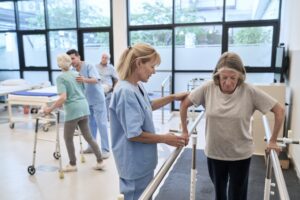
An illness, injury, operation, or hospital stay can affect an older adult’s daily abilities. Your loved one may feel weaker or become tired more easily. Walking, dressing, eating, or speaking may suddenly require more effort. These changes can also affect confidence and make everyday routines feel uncertain.
Elderly rehabilitation therapy provides structured support for these challenges. It may include physical, occupational, and speech therapy, depending on your loved one’s needs. The care team assesses current abilities and develops goals connected to daily life. Some older adults work toward returning home. Others focus on maintaining function or adapting to lasting changes. Understanding the process can help you decide whether professional rehabilitation may be the right next step.
Rehabilitation Helps Address Changes in Everyday Function
Elderly rehabilitation therapy helps older adults improve, maintain, or adapt their physical and functional abilities. It often begins after a health event affects movement, endurance, coordination, communication, swallowing, or everyday tasks. A licensed professional provides or supervises each skilled therapy service.
The work focuses on practical needs. Your loved one might practice standing from a chair, walking with a device, getting dressed, or eating safely. The therapist does not use one standard routine for every resident. Treatment should reflect the person’s condition, current abilities, medical restrictions, and personal goals.
Therapy may take place in a skilled nursing facility, outpatient clinic, hospital, or home. The right setting depends on medical needs and the level of support required. A skilled nursing setting may be helpful when someone also needs nursing care, medication support, wound care, or regular assistance with daily activities.
Rehabilitation does not promise full recovery. Instead, it offers professional evaluation, guided practice, and a plan for reaching safe and meaningful goals.
Different Therapies Support Different Types of Recovery
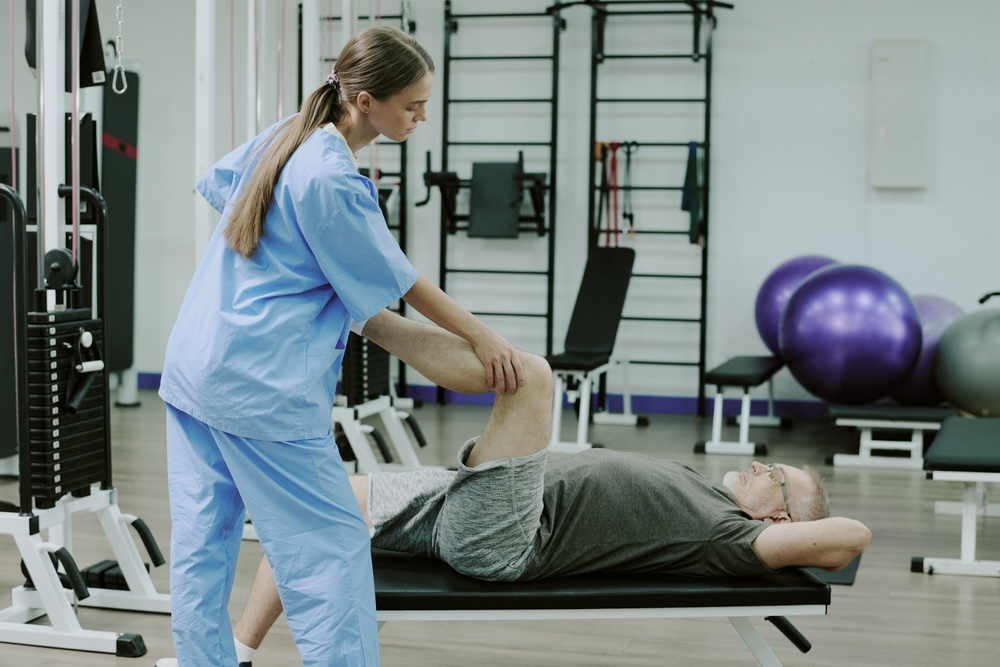
Physical therapy focuses on movement and mobility. A physical therapist may assess strength, balance, flexibility, endurance, posture, and walking ability. Treatment may include exercises, transfer practice, balance activities, and training with a walker or another mobility device. The goal is to help your loved one move as safely and independently as their condition allows.
Occupational therapy focuses on everyday activities. These may include dressing, bathing, grooming, eating, and managing common household tasks. An occupational therapist can teach new ways to complete an activity. They may also recommend adaptive equipment that makes a task safer or easier.
Speech therapy addresses more than speech. A speech-language pathologist may work with communication, memory, attention, problem-solving, or swallowing. For example, an older adult may need communication support after a stroke. Another person may need an evaluation because coughing or difficulty swallowing makes meals less safe.
Older Adults May Need Rehab After Many Health Events
Rehabilitation may help when an older adult’s abilities change after surgery, illness, or injury. Common situations include recovery after a joint replacement, fracture, stroke, pneumonia, or another serious health event. A long hospital stay can also lead to weakness and reduced endurance, even when the original condition improves.
Falls may create new mobility concerns. Your loved one may become afraid to walk or need support using an assistive device. Physical therapy can assess balance and movement. Occupational therapy may identify safer ways to manage bathing, dressing, and other daily tasks.
A neurological condition may affect coordination, communication, memory, or thinking. Rehabilitation cannot remove every effect of a condition. However, therapy may help your loved one use current abilities more effectively. It may also introduce strategies for adapting to physical or cognitive changes.
Older adults with ongoing health conditions may also benefit in some situations. Their goals may focus on maintaining current function or reducing further decline. A physician or qualified health professional can evaluate the change and decide whether skilled therapy is appropriate.
The Process Starts With an Individual Assessment
Rehabilitation begins with an evaluation. The therapist reviews medical information, physician orders, safety precautions, and previous abilities. They may observe how your loved one walks, transfers, communicates, or completes a daily task. The assessment also identifies where assistance is needed.
Family members can provide useful context. Tell the team what your loved one could do before the health event. Explain the home layout, available family support, normal routines, and any equipment already in use. This information helps the therapist understand what may be needed after the rehabilitation stay.
Goals should be specific and connected to everyday life. Instead of simply trying to “get stronger,” your loved one may work toward walking safely to the bathroom. Another goal might involve getting dressed with less assistance or standing long enough to complete personal care.
Therapy sessions then use activities chosen for those goals. The therapist may adjust an activity based on pain, fatigue, safety, or progress. Treatment should challenge your loved one while respecting medical needs and personal limits.
A Coordinated Care Team Supports the Therapy Plan
Rehabilitation often works best when professionals communicate with one another. Therapists focus on specific functional needs. Nurses monitor medical conditions, medications, pain, wounds, and changes in health. Nursing assistants help residents with movement and personal care throughout the day.
This coordination connects therapy sessions with daily life. For example, a physical therapist may recommend a particular way to move from a bed to a chair. Nursing staff and assistants can follow that approach when helping your loved one outside therapy sessions.
The team may also share observations. A nurse might notice that pain affects participation at a certain time. A nursing assistant may see that your loved one needs more help during morning care. These details can help the team adjust support safely.
Your loved one should remain part of the process. Ask what matters most to them. Their priorities may include walking to the dining room, using the bathroom more independently, or returning to a favorite activity. Personal goals can make the treatment plan more meaningful.
Progress Looks Different for Every Older Adult
Families often want to know how long rehabilitation will take. There is no single timeline. Your loved one’s diagnosis, previous abilities, overall health, pain, endurance, and home environment may all affect progress.
Therapists use measurable information to follow changes. They may track walking distance, balance, range of motion, or the assistance needed for a transfer. An occupational therapist might record how much help someone needs when dressing. A speech therapist may monitor communication strategies or swallowing safety.
Small improvements can have meaningful effects. Standing with less assistance may make personal care more comfortable. Better balance may support safer movement. Improved endurance may help your loved one take part in meals, activities, or family visits.
Progress does not always follow a straight path. Illness, poor sleep, medication changes, or fatigue can affect participation. Some days may feel easier than others. In certain situations, maintaining current function is a valuable goal. Ask the team what they are measuring and how those changes relate to daily life.

Know When It May Be Time to Seek Professional Help
Consider speaking with a medical professional when your loved one shows a clear change in function. Warning signs may include repeated falls, new weakness, trouble walking, or difficulty rising from a chair. Increased help with dressing, bathing, eating, or restroom use may also signal a need for evaluation.
New communication or swallowing problems deserve prompt attention. Sudden symptoms may require emergency care. Call emergency services for signs such as facial drooping, arm weakness, speech trouble, chest pain, severe breathing difficulty, or a sudden loss of balance. Rehabilitation does not replace emergency treatment. It usually begins after the immediate medical concern has been evaluated and stabilized.
If rehabilitation is recommended, ask which setting can safely meet your loved one’s needs. Discuss the available nursing support, therapy services, transportation needs, and help available at home. You should also ask how the team will measure progress and prepare for the next stage of care.
At Highlands Guest Care Center, we provide skilled nursing and on-site rehabilitation for older adults following surgery, illness, injury, or hospitalization. Our nursing home services may include physical, occupational, and speech therapy based on individual needs. We work with residents and families to create personalized goals in a warm, respectful setting. Contact us to learn more or discuss your loved one’s care needs.