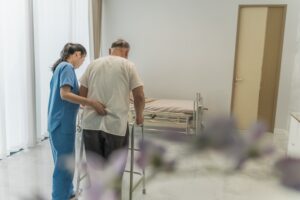
A move to short-term rehab can happen quickly after hospitalization. Your loved one may be medically stable but still need nursing care or physical rehabilitation. They might need help walking, managing medications, or completing daily tasks. Understanding the next step can make the transition feel less uncertain.
Short-term rehab provides structured support after surgery, illness, injury, or a hospital stay. The experience looks different for each resident because needs and goals vary. Still, most stays follow a similar path. Your loved one arrives, completes several assessments, begins a personalized care plan, and prepares for the safest possible next setting. Knowing what happens at each stage can help your family participate with greater confidence.
Admission Starts With Information and a Warm Welcome
The first day usually focuses on settling in and sharing important information. Staff members review hospital records, physician orders, medications, dietary needs, and safety concerns. They may also ask about your loved one’s routines, preferences, and previous abilities. This information helps the team understand the whole person, not only the recent medical event.
Your loved one may meet nurses, nursing assistants, therapists, and other team members. Staff will explain how to request help, where meals are served, and what to expect from the daily schedule. They may check vital signs and review any immediate care needs. Families can support this process by bringing requested documents, comfortable clothing, glasses, hearing aids, and approved personal items.
The first day can feel busy and tiring. Give your loved one time to rest and adjust. You can also review available short-term rehabilitation support before admission. This can help you prepare useful questions about therapy, nursing care, and family communication.

Assessments Shape the Individual Care Plan
Short-term rehab does not begin with the same plan for everyone. The care team first looks at your loved one’s health, mobility, communication, and daily abilities. Nurses may review medications, wounds, pain, nutrition, and other clinical needs. Therapists evaluate the areas connected to their specialties.
A physical therapist may assess balance, strength, endurance, and walking. An occupational therapist may look at dressing, bathing, grooming, or other daily activities. A speech-language pathologist may evaluate communication, thinking, or swallowing when those services are needed. Not every resident needs every type of therapy.
The team then develops goals based on current abilities and the expected next setting. One resident may work toward using a walker safely. Another may focus on getting dressed with less assistance. Families can share useful details about the home, normal routines, and available support. These details help connect the care plan to real life and make each goal more meaningful.
A Typical Day Balances Therapy, Nursing Care, and Rest
A day in short-term rehab often includes several planned activities. Your loved one may receive medications, meals, personal care, and therapy at scheduled times. Nurses monitor health needs and respond to changes. Nursing assistants may help with bathing, dressing, restroom use, movement, and other daily tasks.
Therapy schedules depend on the care plan and your loved one’s tolerance. Sessions may involve walking, balance work, strengthening, transfer practice, or daily living activities. Staff may also teach safe ways to use a walker or another assistive device. The work should support clear goals instead of filling time with unrelated exercises.
Rest is also important. Healing and therapy can require significant energy, especially after hospitalization. Your loved one may need quiet time between activities. Meals, social programs, and family visits can add comfort and structure to the day. A balanced schedule supports physical needs while protecting emotional well-being and quality of life.
Different Team Members Have Separate but Connected Roles
Short-term rehab involves more than therapy sessions. Nurses manage clinical needs and watch for changes in condition. They may provide wound care, administer medications, monitor pain, and follow physician orders. Nursing assistants support everyday comfort and help residents practice safe routines throughout the day.
Therapists focus on functional abilities. Physical therapy may address movement, strength, and balance. Occupational therapy may support daily tasks and adaptive methods. Speech therapy may help with communication, thinking, or swallowing. Each professional contributes a different view of your loved one’s progress.
Communication connects these roles. A therapist may recommend a safer transfer method, while nursing staff use that method during daily care. Families also contribute valuable information about preferences and previous routines. You can learn more about available nursing and rehabilitation services while preparing for the stay. The strongest care plans bring these perspectives together without losing sight of the resident’s voice.
Progress May Appear in Small but Meaningful Changes
Families naturally want to know how quickly recovery will happen. However, progress does not follow one fixed timeline. Your loved one’s condition, previous abilities, pain, endurance, and overall health may all affect the pace. Some days may feel productive, while others may require more rest.
The care team uses practical measures to follow changes. Staff may track walking distance, balance, strength, or the amount of help needed for a transfer. They may also observe how safely your loved one completes personal care. Small changes can matter. Standing with less help or walking safely to the bathroom may support greater comfort and independence.
Ask the team what they are measuring and how those results connect to the next stage. Avoid comparing your loved one’s experience with another resident’s recovery. Each person brings different needs and goals. Encouragement is helpful, but pressure can create frustration. Celebrate effort while allowing the clinical team to guide safe activity.
Family Involvement Supports a More Personal Experience
Families can remain involved without taking over the care process. Share information about your loved one’s habits, interests, communication style, and sources of comfort. Explain what usually helps when they feel anxious or tired. These details can make care feel more familiar and respectful.
Attend care meetings when your loved one wants you involved. Ask what the current goals are and how progress will be communicated. Write down your questions before the meeting. This makes it easier to discuss medications, therapy, nutrition, safety, and the expected next steps.
Visits should match your loved one’s energy and schedule. A short, calm visit may feel better after a demanding therapy session. You can talk, look at photographs, or enjoy a quiet activity together. Try not to make every conversation about progress. Your loved one still needs companionship, encouragement, and familiar family connections during the stay.

Discharge Planning Begins Before the Final Day
Planning for discharge should not wait until your loved one is ready to leave. The team considers the next setting throughout the stay. They may ask about stairs, bathroom access, bedroom location, available caregivers, and transportation. This information helps identify possible challenges before the transition.
Your family may receive education about safe movement, medication routines, personal care, or warning signs. Therapists may recommend equipment or changes that support safer daily life. Ask who will arrange follow-up services and appointments. You should also know whom to contact if questions arise after discharge.
The next setting depends on your loved one’s needs and progress. Some residents return home with family support or additional services. Others may need a different level of continued care. A discharge plan should reflect safety, current abilities, and available help. It should never depend only on a preferred date or an assumed outcome.
Moving Forward With Clear Expectations and Support
Short-term rehab provides a bridge between hospitalization and the next stage of care. The stay begins with assessments and an individualized plan. Daily life may include nursing support, therapy, meals, rest, and personal care. The team measures practical changes and prepares for discharge as early as possible. When families understand this process, they can ask better questions and support their loved one without creating extra pressure.
At Highlands Guest Care Center, we provide short-term physical rehabilitation and skilled nursing support in a warm, respectful environment. Our interdisciplinary team develops personalized plans around each resident’s needs and goals. We also involve families through clear communication and care planning. If your loved one needs continued support after surgery, illness, injury, or hospitalization, contact us to ask questions and learn what the transition may involve.