
After surgery, illness, injury, or hospitalization, everyday movement may become difficult. Your loved one might struggle to stand, walk, change positions, or use stairs. Even simple tasks can require more energy than before. Physical therapy can support recovery by addressing strength, balance, mobility, and safe movement.
In a nursing home, therapy can work alongside skilled nursing and daily assistance. This coordinated setting allows the care team to observe how your loved one manages throughout the day. The therapist can then focus on practical goals connected to those needs. Progress varies for every person, so nursing home services should reflect current abilities, medical needs, and personal priorities.
Physical Therapy Begins With a Personal Assessment
Physical therapy does not start with the same exercise plan for everyone. A physical therapist first reviews your loved one’s health information and medical orders. The therapist may assess strength, balance, range of motion, posture, endurance, and walking ability.
The evaluation also considers practical challenges. Can your loved one rise safely from a chair? Do they need assistance when moving between a bed and wheelchair? Can they walk to the bathroom? These questions help connect therapy to daily life.
Your loved one’s goals matter during this process. One person may want to walk safely with an assistive device. Another may need to improve balance before returning home. The therapist uses the assessment to create an individualized treatment plan.
Family members can provide helpful context. Share information about the home layout, previous mobility, usual routines, and available support. These details can help the team plan meaningful activities and realistic goals.
Treatment Focuses on Movement Needed Each Day
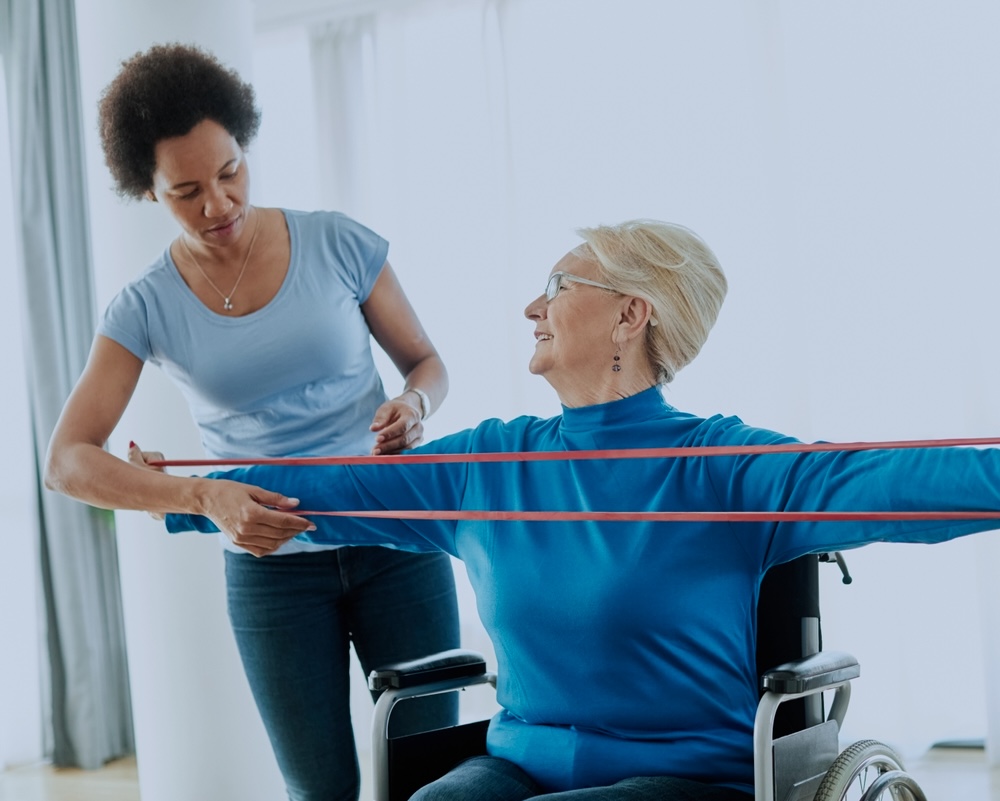
Therapy sessions may use exercises and guided activities to address specific limitations. A therapist might work on leg strength, balance, flexibility, coordination, or endurance. The exact approach depends on your loved one’s condition and care plan.
Practice often includes movements used throughout the day. Your loved one may work on standing from a chair, turning safely, getting into bed, or walking with appropriate support. Repeating these movements in a supervised setting can help build skill and confidence.
A therapist may also recommend a cane, walker, wheelchair, or other device. Proper fit and instruction matter. Using equipment incorrectly can create new safety concerns. The therapist can show your loved one how to use the device and explain when assistance is necessary.
Therapy should challenge your loved one without ignoring pain, fatigue, or medical restrictions. Staff can adjust the session when health needs or abilities change.
Skilled Nursing and Therapy Work Toward Shared Goals
Physical therapy is one part of a larger care plan. Nurses monitor medical needs, medications, wounds, pain, and changes in condition. Nursing assistants help residents with movement and personal care throughout the day. Therapists contribute their knowledge of mobility and physical function.
Communication among these professionals supports consistency. For example, the therapist may recommend a certain transfer method. Nursing staff and assistants can follow that guidance when helping your loved one move outside therapy sessions. They can also report changes that may affect participation.
Other rehabilitation professionals may have separate roles. Occupational therapy often focuses on daily tasks, such as dressing or grooming. Speech therapy may address communication, thinking, or swallowing needs. Not every resident requires every service.
When the team coordinates its work, care can reflect the whole person. Medical stability, daily comfort, safe movement, and personal goals all influence the plan.
Progress Is Measured in More Than Walking Distance
Families often want to know how quickly therapy will work. There is no single timeline. Progress depends on the medical condition, previous abilities, treatment plan, energy level, and many other factors. Recovery can also include good days and difficult days.
Therapists track specific changes over time. They may measure how much assistance your loved one needs to stand, transfer, or walk. Improvements in balance, endurance, or movement quality may also show progress. Sometimes the goal is to maintain current abilities or slow further decline.
Small changes can still have practical value. Needing less assistance to move from bed to chair may support greater comfort and independence. Standing for longer may make personal care easier.
Ask the therapist which measures they are following. Regular updates can help you understand the plan without comparing your loved one’s progress with someone else’s experience.
Families Can Encourage Recovery Without Adding Pressure
Your support can help your loved one stay engaged. Ask about their therapy goals and listen to how sessions feel. Recognize effort, even when progress seems gradual. A calm response can be more helpful than pushing for a faster result.
Attend care meetings when invited. Ask what your loved one is practicing and whether family members should reinforce any safety instructions. Do not introduce extra exercises unless the therapist approves them. An activity that seems simple may conflict with medical restrictions or increase fall risk.
You can also bring useful information into discharge planning. Tell the team about stairs, narrow doorways, bathroom access, and available caregivers at home. Ask whether equipment or home changes may be recommended.
Rest remains part of recovery. Your loved one may feel tired after therapy. Balance encouragement with patience, and respect the care team’s guidance about safe activity levels.
Building Strength for the Next Stage of Care
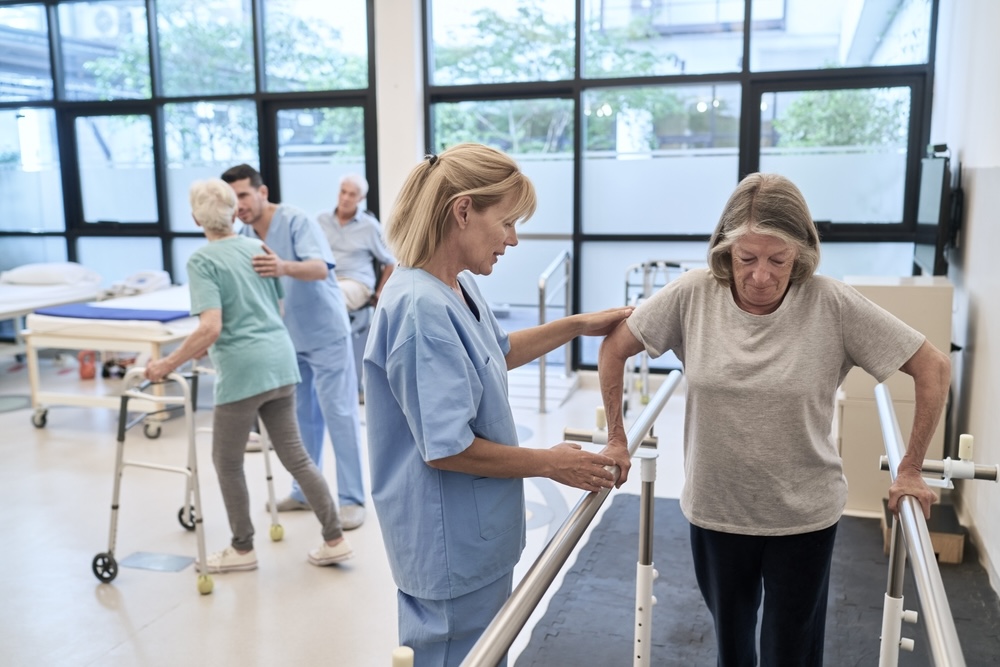
Physical therapy can help your loved one work toward safer movement after a health setback. It begins with an assessment and continues through activities tied to individual needs. Therapists monitor progress and adjust the plan when necessary. Nurses, assistants, rehabilitation professionals, residents, and families each contribute a different perspective. Together, they can support comfort, safety, mobility, and as much independence as the person’s condition allows. Therapy cannot guarantee a certain result or return-home date, but it can provide structured support for the next stage of care.
At Highlands Guest Care Center, our team provides skilled nursing and on-site physical rehabilitation in a warm, welcoming environment. We develop individualized plans based on each resident’s needs and goals. Our short-term rehabilitation services may include physical, occupational, and speech therapy when appropriate. Contact us to discuss your loved one’s needs, ask questions, or arrange a visit.